Auxiliar / Helping verb HAVE / HAS

10/10 - (4 votes)

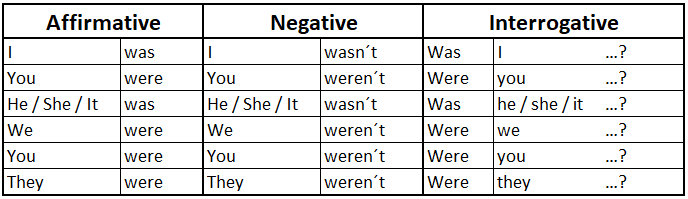
The helping verb “have” plays a crucial role in expressing various aspects of actions, states, and experiences. As a primary auxiliary verb, it enables the formation of perfect tenses, indicating completed or ongoing actions in relation to the present or past. Additionally, “have” is utilized to create the perfect progressive tenses, showcasing continuous actions that… Continue reading Auxiliar / Helping verb HAVE / HAS

Published
Categorized as Modals

Verbs in the English Present Continuous (progressive)

10/10 - (7 votes)

There are several verbs that are not typically used in the present continuous tense (also known as the present progressive tense). Some verbs are not typically used in the present continuous tense because they represent states, qualities, or non-action verbs. These verbs describe conditions or characteristics that are not usually associated with ongoing or temporary… Continue reading Verbs in the English Present Continuous (progressive)

Published
Categorized as Tenses

The Structure of the Present Continuous (progressive) Form

10/10 - (4 votes)

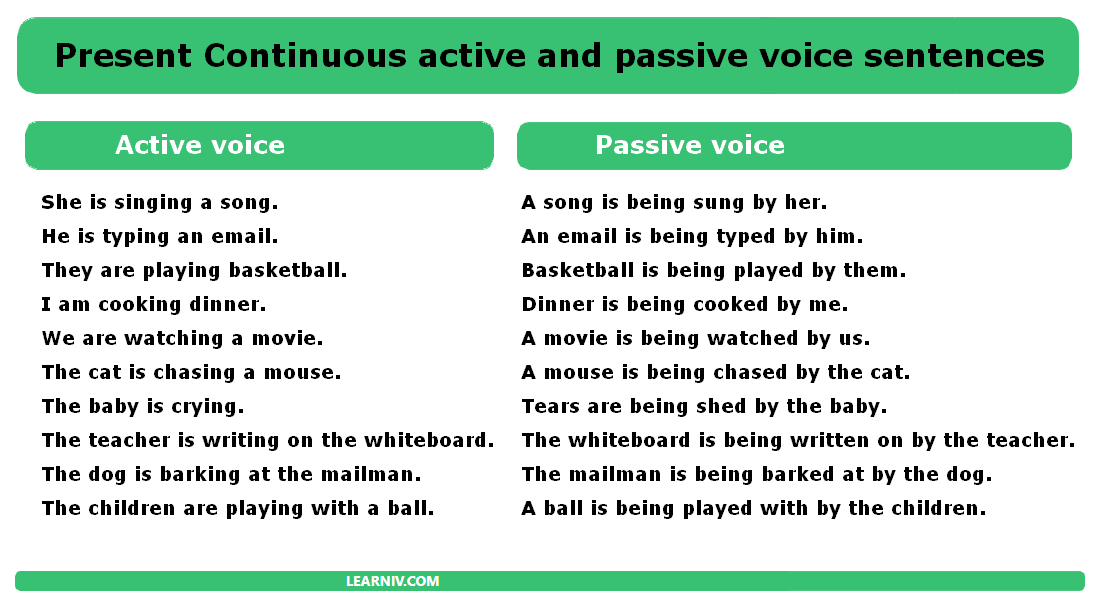
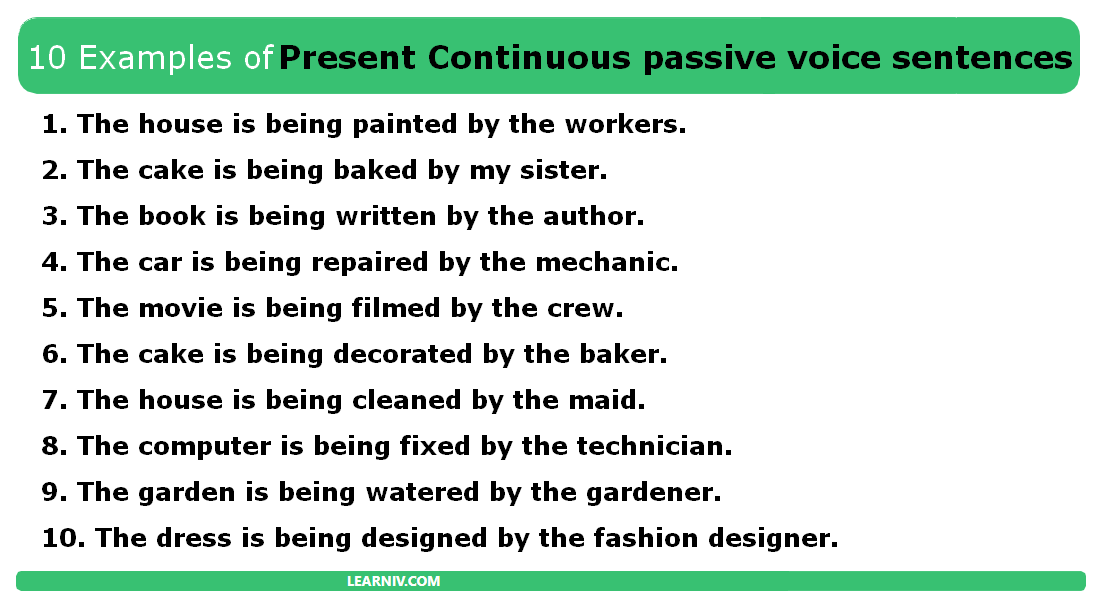
The present continuous (progressive) form is a fundamental aspect of the English language. It allows us to describe actions or situations happening at the current moment or in the near future. In this blog post, we will delve into the structure of the present continuous tense (also known as present progressive tense), exploring its components… Continue reading The Structure of the Present Continuous (progressive) Form

Published
Categorized as Tenses