The noun Water: countable or uncountable?

10/10 - (20 votes)

We refer to uncountable nouns as those nouns that cannot be counted, the number of pieces cannot be determined. There is no plural form of an uncountable noun. The noun WATER  is UNCOUNTABLE. Read a special article on the difference between countable and uncountable nouns. Meaning of the word Water A liquid without colour, smell… Continue reading The noun Water: countable or uncountable?

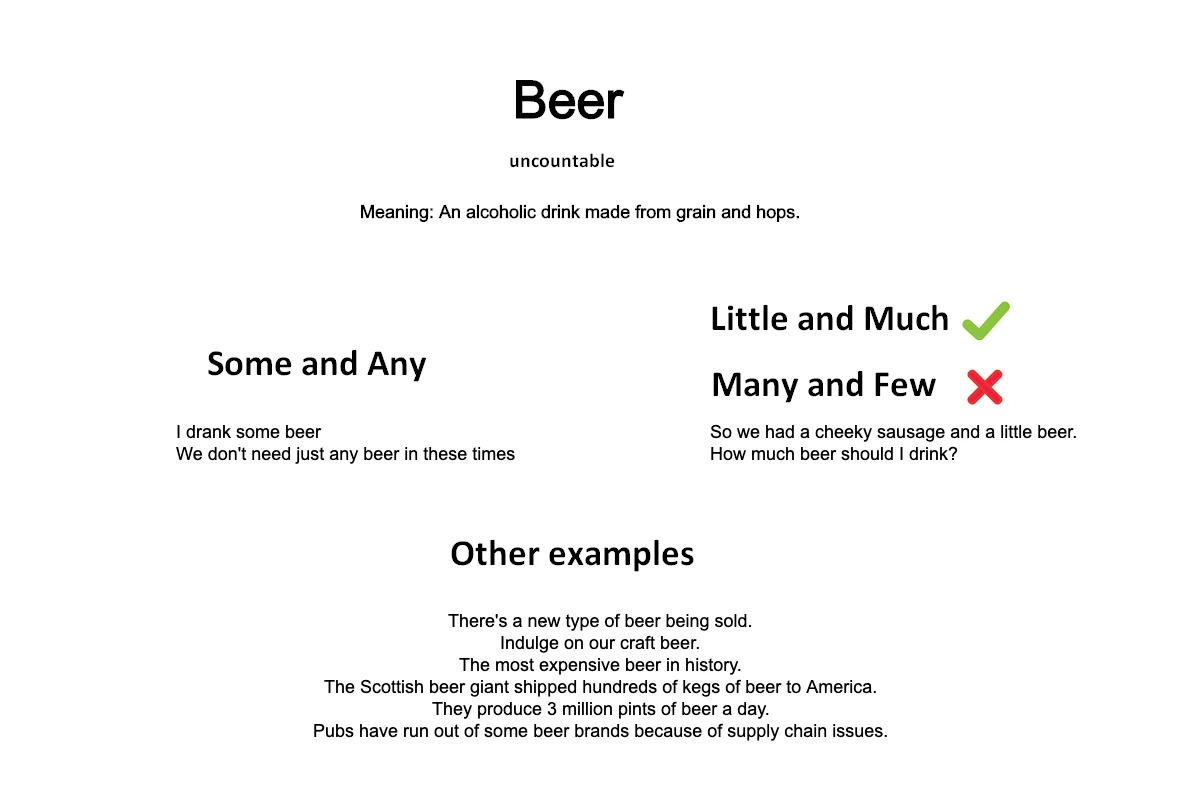
The noun Beer: countable or uncountable?

10/10 - (17 votes)

We refer to uncountable nouns as those nouns that cannot be counted, the number of pieces cannot be determined. There is no plural form of an uncountable noun. The noun BEER is UNCOUNTABLE. Read a special article on the difference between countable and uncountable nouns. Meaning of the word Beer An alcoholic drink made from grain and hops The noun Beer… Continue reading The noun Beer: countable or uncountable?

The noun Music: countable or uncountable?

10/10 - (60 votes)

We refer to uncountable nouns as those nouns that cannot be counted, the number of pieces cannot be determined. There is no plural form of an uncountable noun. The noun MUSIC is UNCOUNTABLE. Read a special article on the difference between countable and uncountable nouns. Meaning of the word Music Sounds that are arranged in… Continue reading The noun Music: countable or uncountable?

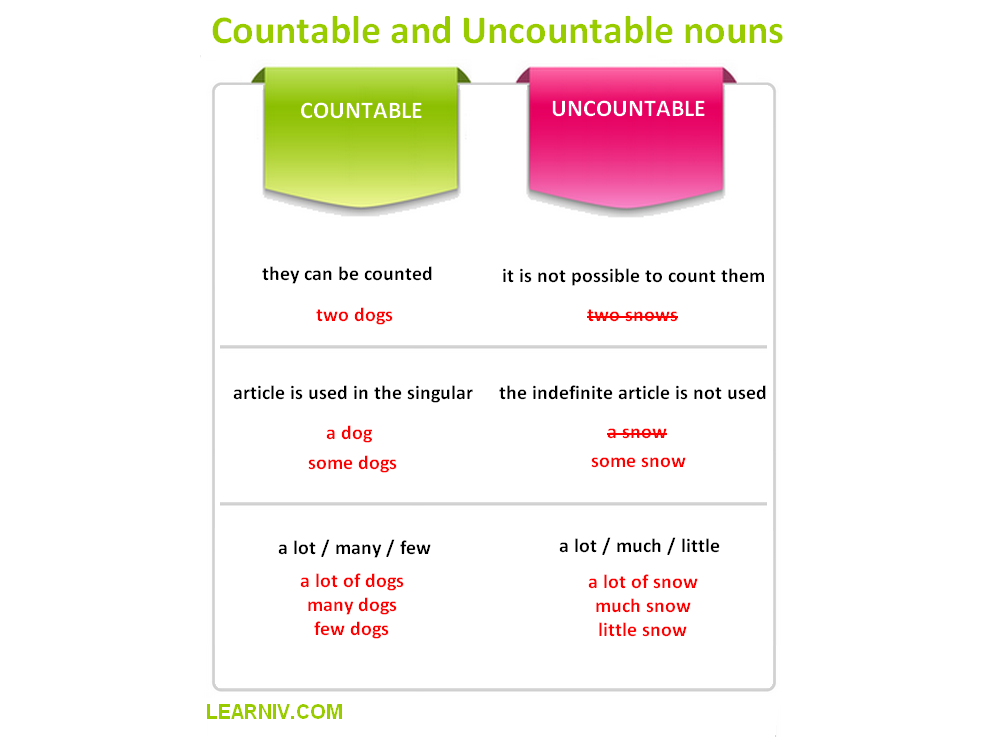
Countable and uncountable nouns

10/10 - (19 votes)

  In English, nouns are divided into countable and uncountable nouns. It is useful to learn this classification because it will be useful in your further studies. Countability is quite an important grammatical category of nouns. Several important rules of grammar depend on whether a word is countable or not. To avoid just talking about… Continue reading Countable and uncountable nouns

Published
Categorized as Grammar

Modal verbs list

9.9/10 - (18 votes)

There are a total of 13 basic modal auxiliary verbs in the English language. These are verbs that help the main verb form the correct meaning of sentences. With their help we can express desires, wishes, commands, needs or necessities. Their form never changes (even depending on the time). Modal verbs list: Can Will Must… Continue reading Modal verbs list

Published
Categorized as Modals

Modal auxiliary verbs examples

7.7/10 - (4 votes)

Students of English who are trying to learn modal auxiliary verbs will find some examples of the use of these verbs useful. Will The modal auxiliary verb “will” express the future tense. Examples: I’ll give you a lift home after the party. I hope you will stay Will you carry this for me, please? I will… Continue reading Modal auxiliary verbs examples

Published
Categorized as Modals

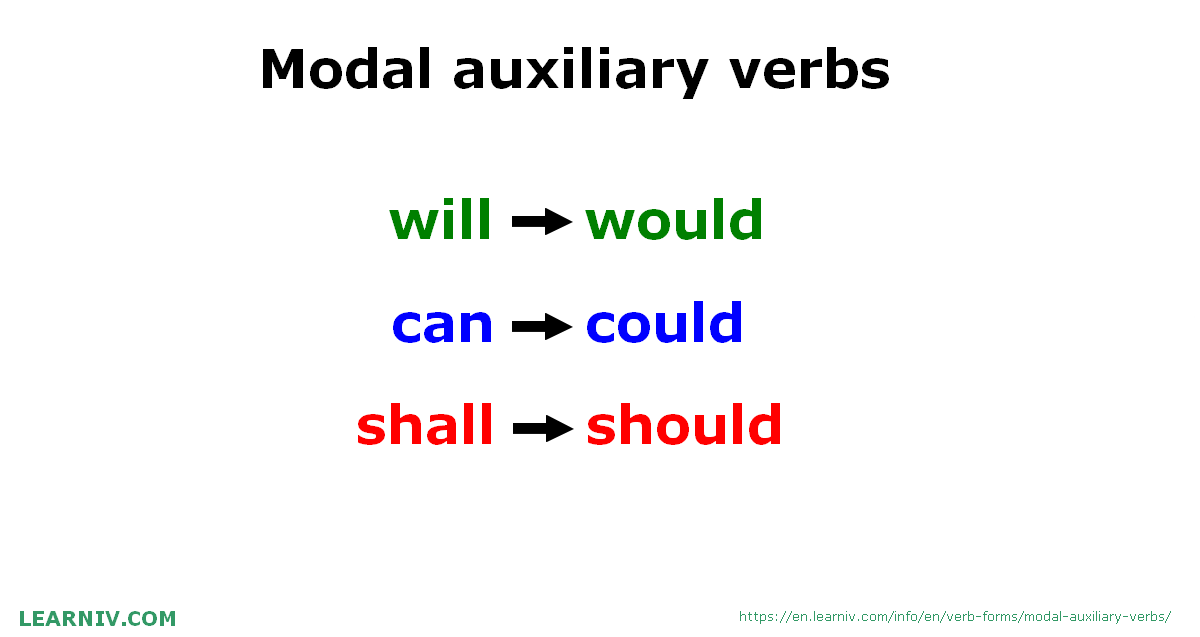
Modal auxiliary verbs

10/10 - (12 votes)

These are verbs expressing needs, necessities, possibilities, desires or intentions. They always have 1 invariable form, which does not depend in any way on the tense, the subject or the action in the sentence. The main modal auxiliary verbs include: Can /Could May / Might Must / Have to Shall / Should Will / Would… Continue reading Modal auxiliary verbs

Published
Categorized as Modals

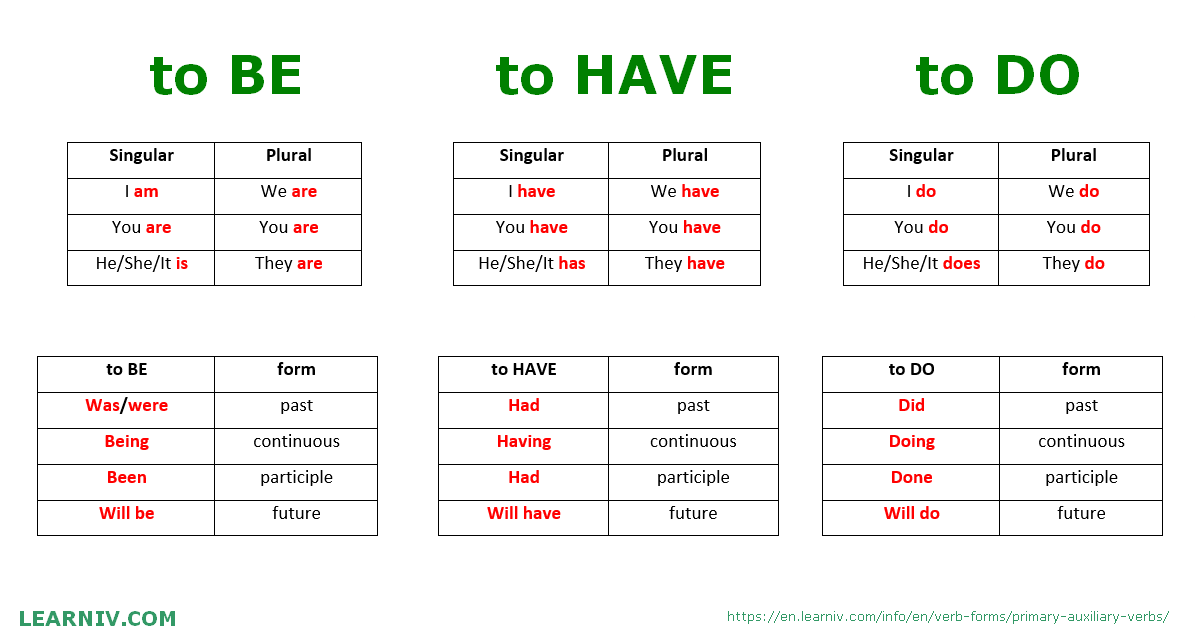
Primary Auxiliary verbs

9.9/10 - (119 votes)

Auxiliary verbs are verbs that help the main verb to express time, feeling, or the past tense. They usually have no special meaning and are helpful to express a grammatical phenomenon. Auxiliary verbs are generally of two types: Primary auxiliary verbs – we will introduce these in this article. Modal auxiliary verbs – these are… Continue reading Primary Auxiliary verbs

Published
Categorized as Modals